
Managing Chronic Pain from Old Injuries: A Guide
Table of Contents
Last Updated: September 23, 2026
Understanding Chronic Pain from Old Injuries
Chronic pain from old injuries is pain that outlasts normal healing, often lingering for months or years after the original tissue damage has settled. At RIGS Brookvale, we see this pattern often: a footy knock from years ago, a shoulder that never quite came right, a calf tear that healed but left a stubborn ache.

Why Old Injuries Keep Hurting
The original injury may have healed, but the nervous system can stay sensitised. This is sometimes called pain modulation gone wrong: the brain keeps sending warning signals long after the threat has passed. Scar tissue, altered movement patterns, and joint stiffness can keep the area irritated. So the pain is real, even when scans look clear.
Red Flags That Need Medical Attention
Most old-injury pain is manageable with the right plan. Some signs need a doctor first:
Sudden severe pain, or pain that wakes you at night
Numbness, tingling, or weakness in a limb
Loss of bladder or bowel control
Unexplained weight loss alongside pain
Pain after a new fall or accident
How to Reduce Chronic Muscle Soreness at Home
Reducing chronic muscle soreness starts with calming irritated tissue, then rebuilding strength and movement tolerance. The goal is not to push through pain, but to give the body the right signals to heal.
The RICE Method and When to Use It
RICE stands for Rest, Ice, Compression, and Elevation (Sprains and strains). It works best in the first day or two after a fresh flare-up, not as a long-term plan. Prolonged rest can make old injuries stiffer, so use RICE briefly, then move.
A simple approach:
Ice for 10-15 minutes, a few times a day
Light compression to reduce swelling
Elevate the area above heart level when resting
Return to gentle movement as soon as pain allows
Gentle Movement and Activity Pacing
Activity pacing means breaking tasks into smaller chunks with rest between. It stops the boom-and-bust cycle that flares old injuries. Try 10 minutes of gentle movement, then rest, then repeat. This supports functional movement without overloading the area.
Pro Tip Track your pain on a simple 0-10 scale before and after activity. If it climbs more than two points and stays there the next day, you did too much. Scale back by a third and build again.
The Benefits of Contrast Water Therapy for Recovery
Contrast water therapy for recovery alternates between warm and cold water to boost circulation and ease stiffness. Many athletes find it helps with swelling, soreness, and that heavy, locked-up feeling in old injuries. The warm phase opens blood vessels; the cold phase constricts them. This pumping action may help clear waste products and reduce inflammation.
Hyperbaric Oxygen Therapy for Inflammation
Hyperbaric oxygen therapy for inflammation involves breathing oxygen in a pressurised chamber. The higher pressure lets more oxygen reach tissues, which may support healing and calm swelling in stubborn injuries. Sessions are typically supervised and take around an hour.
Building a Multimodal Chronic Pain Management Plan
A multimodal approach combines several treatments at once (Options for chronic pain management). This is the single most effective way to manage chronic pain, because no one method covers everything. For old injuries specifically, the mix matters more than any single ingredient: a stiff ankle from a decade-old sprain needs different loading, sleep support, and stress management than a shoulder that never recovered from a footy knock.
Approach | What It Does | Best For | Typical Weekly Rhythm |
Physical therapy | Rebuilds strength and joint mobility | Stiff, weak old injuries | 2-3 sessions, plus daily home exercises |
Occupational therapy | Retrains daily movement and ergonomics | Work and home tasks | 1 session, then habit checks |
Psychological therapy | Calms pain perception and stress | Persistent, stress-linked pain | 1 session, with daily breathing or journalling |
Medication management | Reduces pain signals | Flare-ups and sleep | As prescribed, reviewed regularly |
Recovery therapies | Eases soreness and swelling | Between training sessions | 1-2 sessions, timed after heavier days |
Physical Therapy and Occupational Therapy
Physical therapy focuses on muscle conditioning, posture correction, and gradual loading. For an old injury, the key is progressive overload: start below the level that flares pain, then add roughly 10% per week in time, load, or range. Occupational therapy helps you adjust how you lift, sit, and move at work, for example, changing a desk setup so a stiff neck is not re-irritated daily.
Psychological Therapy and Stress Management
Stress management is not a soft add-on. Pain perception and stress are closely linked, so relaxation techniques and psychological therapy can lower how much pain you feel. Cognitive approaches help you break the fear-of-movement cycle that keeps old injuries guarded and weak. A common pattern is that people avoid the exact movement their injury needs because it once hurt, graded exposure, guided by a professional, reverses that.
Medication Management and Non-Opioid Options
Non-opioid medication options include paracetamol, anti-inflammatories, and some nerve-pain medicines. These are prescribed or recommended by your doctor. They work best as part of a broader plan, not as a standalone fix. Always follow your GP's advice on dose and duration. If you are using anti-inflammatories regularly for an old injury, it is worth asking your GP whether that is masking a loading problem that physio could address.
The 'Old Injury' Identity Trap
One thing most guides miss: old injuries carry a mental load. Years of 'my back is dodgey' or 'I can't run anymore' can harden into an identity that limits what you attempt. Naming that pattern, and testing it gently with professional support, is often the difference between managing pain and being managed by it.
Key Takeaway A multimodal plan is not five separate treatments. It is one schedule where movement, sleep, stress, and recovery each do a specific job. Build the week around your two or three highest-value sessions, then protect them.
Lifestyle Changes That Support Long-Term Healing
Lifestyle changes decide whether recovery holds. Sleep, food, and daily habits shape inflammation and pain threshold more than most people expect, and for old injuries, they are often the difference between a good week and a flare. Most guides treat these as background noise. We treat them as primary pillars.
Sleep Hygiene for Chronic Pain Sufferers
Sleep and pain feed each other. Poor sleep lowers your pain threshold, and pain makes sleep harder. This loop is especially stubborn with old injuries because the nervous system is already sensitised. Try a fixed bedtime and wake time, a cool dark room, and no screens for an hour before bed. Keep caffeine to the morning.
Anti-Inflammatory Nutrition Basics
Anti-inflammatory nutrition means more vegetables, fruit, oily fish, nuts, and olive oil, and fewer ultra-processed foods. It will not erase an old injury, but it supports long-term healing and can reduce background inflammation. A simple starting point is to add one anti-inflammatory element to each meal rather than removing everything at once, for example, a handful of nuts with breakfast, oily fish twice a week, and olive oil instead of butter for cooking.
Pacing Your Week, Not Just Your Day
Most pacing advice stops at the day. Old injuries often flare on a weekly cycle: a big weekend, a heavy work week, then a crash. Map your week in advance, place your highest-load activities earlier, and build in a lighter day after each heavy one. This is the same principle as activity pacing, applied at the calendar level.
When to Self-Manage and When to Seek Help
Self-management works for stable, familiar old-injury pain. Seek professional advice if pain is changing in character, spreading, waking you at night, or not responding to your usual plan. Our team at RIGS Brookvale can help you tell the difference, and our community is a good place to compare notes with people managing similar old injuries.
Watch Out Do not stop prescribed medication or push through sharp pain to "test" your progress. Both can set recovery back weeks and make old injuries harder to settle.
Conclusion: Your Next Steps for Managing Chronic Pain
Managing chronic pain from old injuries is rarely about one treatment. It is about steady, consistent work across movement, sleep, stress, and recovery. Our community at RIGS Brookvale is built for exactly this: people who keep showing up, support each other, and treat recovery as a long game.
Frequently Asked Questions
Can an old injury cause pain years later?
Yes. Old injuries can lead to chronic pain years later due to changes in how nerves send signals, scar tissue formation, or altered movement patterns that strain surrounding muscles and joints. This is known as chronic pain from old injuries. A multimodal approach, including physical therapy, gentle exercise, and therapies like contrast water therapy, can help manage symptoms and improve long-term function.
How does contrast water therapy assist with long-term injury recovery?
Contrast water therapy alternates between warm and cold water immersion. The warm water increases blood flow and relaxes muscles, while the cold water reduces inflammation and swelling. This cycle can help reduce chronic muscle soreness, improve circulation, and support tissue repair. Many people find it a useful addition to a rehabilitation plan for old injuries, especially when combined with guided exercise and professional care.
What are some effective strategies for managing chronic pain from old injuries?
Effective strategies include a multimodal approach: physical therapy to improve strength and joint mobility, psychological therapy for pain coping strategies, non-opioid medication where appropriate, and lifestyle changes such as sleep hygiene and anti-inflammatory nutrition. Gentle exercise and activity pacing also help. For persistent pain, seek professional help to build a plan tailored to your injury history.
When should I seek professional help for persistent pain?
Seek professional help if pain lasts more than a few weeks, interferes with daily activities, or comes with red flags like numbness, weakness, or loss of bladder control. A qualified practitioner can assess whether your pain is nociceptive or neuropathic and recommend a suitable chronic pain management plan. Early intervention often leads to better long-term healing.
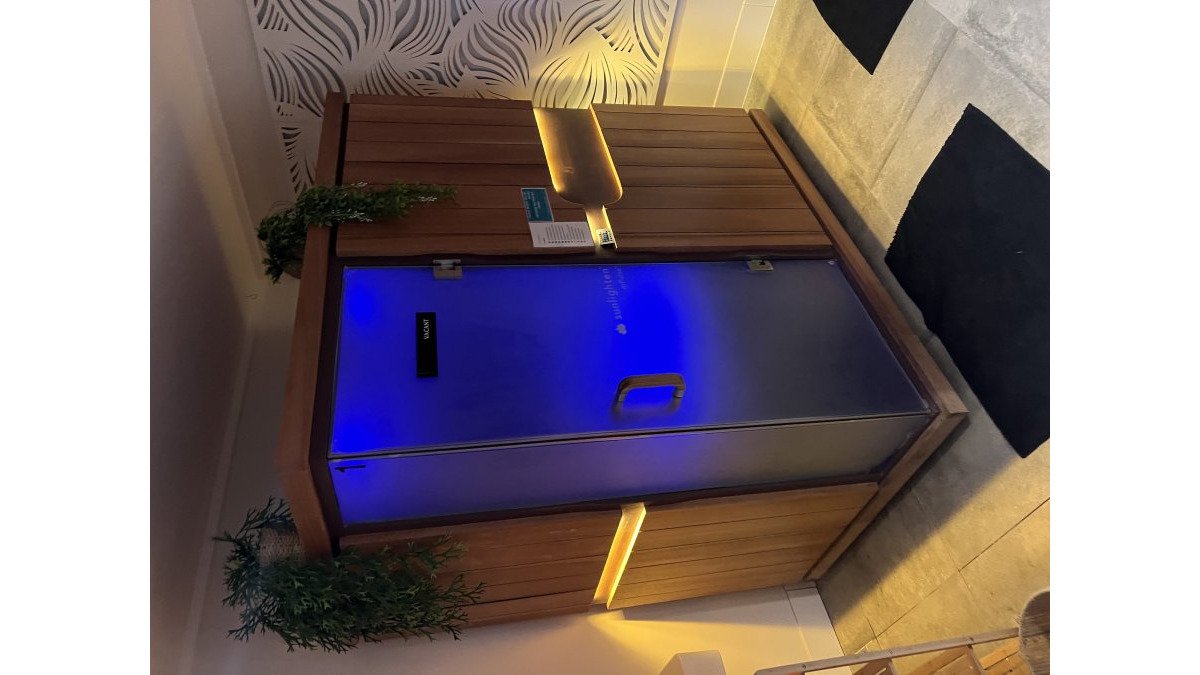
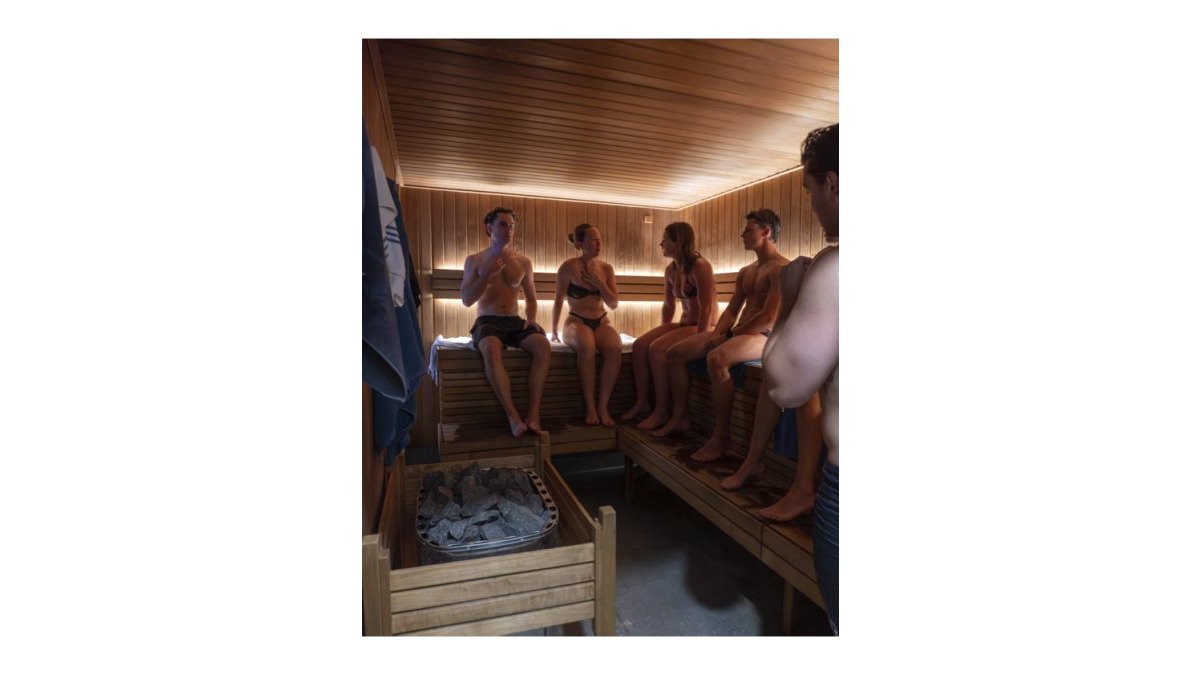
Old injuries do not have to run your life. At RIGS Brookvale, our team offers contrast water therapy, hyperbaric oxygen chambers, and infrared saunas in a welcoming space, alongside an on-site cafe and a community that keeps you consistent. Book a session, meet the team, and start your recovery with support around you. Get started with RIGS Brookvale and take back control of your recovery.

Comments