
Benefits of Contrast Water Therapy: How to Do It Right
Table of Contents
Last Updated: September 25, 2026
What Contrast Water Therapy Does for Your Body
Contrast water therapy is the practice of switching between hot and cold water immersion to support muscle recovery and circulation. (Source: research on the physiological effects of hydrotherapy)
The idea is simple: hot water opens blood vessels, cold water narrows them. Switching between the two pumps blood around your body and helps clear the waste that builds up after hard exercise.
Most people feel looser and less sore after a session. The effect comes from the repeated shift between heat and cold, not from either one on its own.
How Hot and Cold Water Affect Muscles and Circulation
Hot water triggers vasodilation, which means your blood vessels widen. More blood flows to the area, bringing oxygen and nutrients.
Cold water does the opposite. It causes vasoconstriction, so vessels tighten and blood moves back toward your core.
When you alternate the two, you create a pumping action. This is called thermal shock, and it helps move fluid and waste out of tired muscles.
Cold also calms the autonomic nervous system, which can leave you feeling more relaxed. That shift supports parasympathetic activation, the rest-and-recover state your body needs.
The Contrast Water Therapy Protocol: Temperatures, Ratios and Timing
A solid contrast water therapy protocol keeps temperatures, cycle ratios and timing consistent. Consistency is what makes it work.
Here is a simple guide:
Hot water: 38-40°C
Cold water: 10-15°C
Ratio: 3 parts hot to 1 part cold
Cycles: 3-4 rounds
Finish on: cold
Always start with hot and end with cold. Ending cold helps reduce swelling and leaves you feeling refreshed.
Why the Ratio Matters More Than the Temperature
Most people fixate on how cold the cold water is. In practice, the ratio of hot to cold time is what drives the circulatory pumping effect. A 3:1 hot-to-cold ratio gives your blood vessels enough time to dilate fully in the heat, then constrict sharply in the cold. If you shorten the hot phase, you never get the full vasodilation, and the contrast is weaker.
Tailoring the Protocol to Your Goal
The generic protocol works, but you can adjust it based on your goals and how you feel during and after the session.
A Simple Beginner Protocol You Can Follow
New to this? Start gentle and build up.
Warm up with 3 minutes in hot water.
Move to cold for 1 minute.
Repeat the hot-cold pair 3 times.
End with 1 minute cold.
Rest and dry off.
Keep the cold phase short at first. You can add time as your body adjusts.
Pro Tip Most people rush the cold phase and skip the warm-up. Ease in with hot water first, and the cold becomes far easier to handle.
How This Compares to Cold Plunge and Sauna
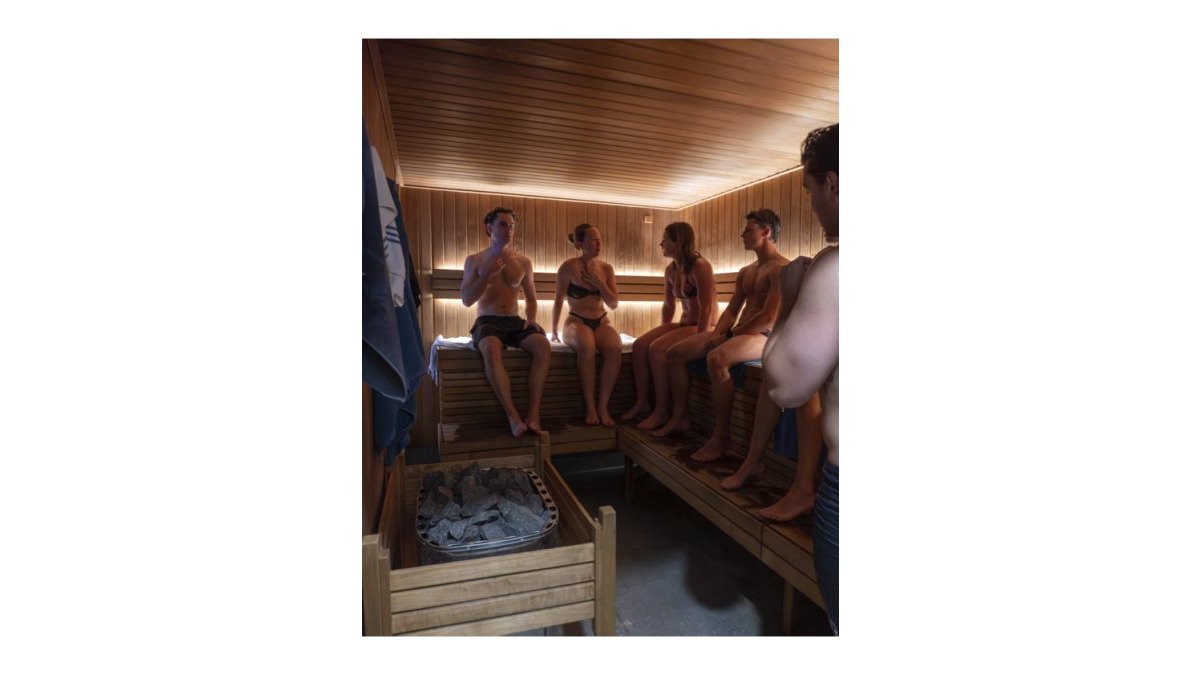
Contrast water therapy sits between two other popular recovery methods. A cold plunge is a single cold exposure, usually 10-15°C for 2-5 minutes. A sauna is sustained heat, typically 80-90°C for 10-20 minutes. Contrast therapy alternates the two, which is why it targets circulation and swelling differently.
If your goal is purely mental reset or a post-workout endorphin lift, a single cold plunge or sauna session may be enough. If your goal is moving fluid and reducing swelling after a hard session, the alternating protocol is designed to support that.
How Long to Stay in Contrast Baths (and How Many Cycles)
Knowing how long to stay in contrast baths comes down to one rule: hot 3 minutes, cold 1 minute, repeated 3-4 times. A full session usually runs 12-20 minutes.
Going longer does not add much. In fact, staying too long in cold water can leave you uncomfortable and chilled.
A few things to watch:
Keep total time under 25 minutes
Never push past what feels safe
Stop if you feel dizzy or numb
For most people, 3 cycles is plenty. Athletes may use 4.
Key Takeaway The sweet spot is 3-4 cycles of 3 minutes hot and 1 minute cold. More is not better here.
Setting Up Contrast Water Therapy at Home
You do not need a clinic to try this. A bathtub and a shower, or two large tubs, can get you started. (Source: guidelines for implementing contrast water therapy)

Here is what you need:
A bath or large tub for hot water
A second tub or a cold shower
A thermometer to check temperatures
Ice for the cold side
A towel and warm clothes
Fill the hot side with warm water and the cold side with cold water and ice. Check both with a thermometer before you start.
If space is tight, use a shower for the cold phase. Run it cold for one minute, then switch back.
What most guides miss is the thermometer. Guessing the temperature is the fastest way to make a session unpleasant or unsafe.
Pairing Contrast Water Therapy with Other Recovery Therapy Modalities
Contrast water therapy works well alongside other recovery therapy modalities. At RIGS Brookvale, we combine it with treatments that support the same goals.
Pair it with:
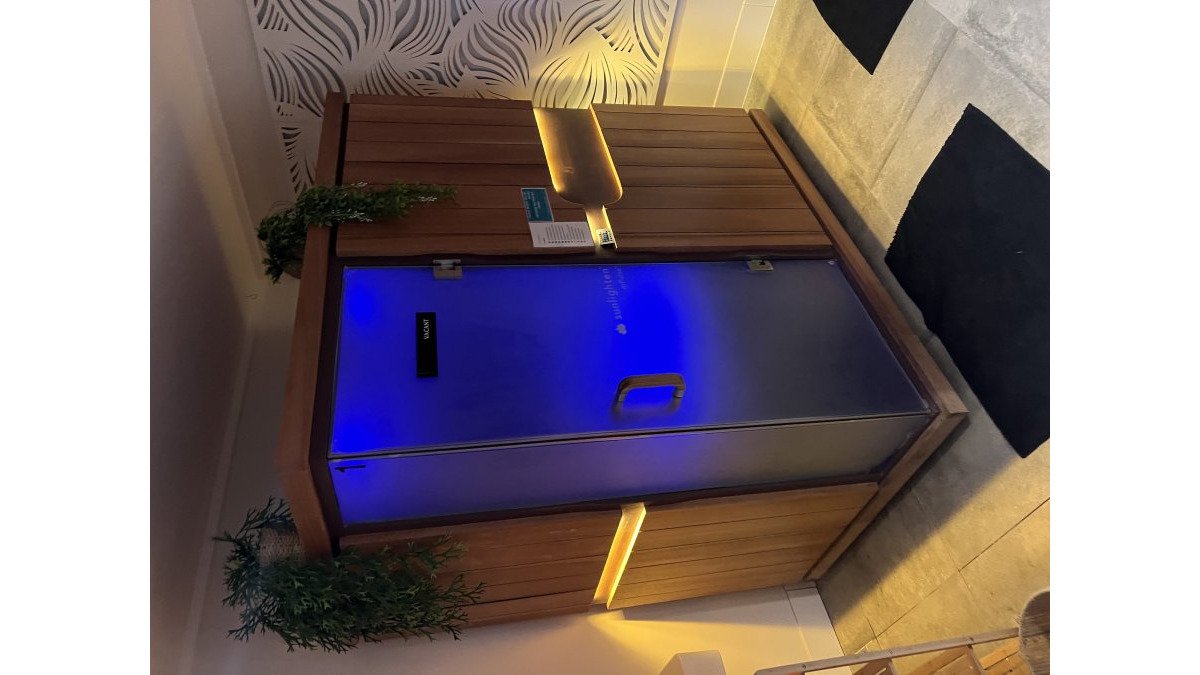
Infrared sauna for deep heat and relaxation
Compression therapy to boost circulation
Hyperbaric oxygen chamber to support tissue oxygenation
Used together, these approaches can help with edema reduction and general recovery. Many people find a mix works better than any single method.
Our community here on the Northern Beaches often builds a routine around a few of these. It is a good way to stay consistent and see results over time.
Safety, Contraindications and When to Check with a Professional
Contrast water therapy is generally well tolerated, but it is not for everyone. Check with a doctor first if you have any of these contraindications:
Heart or circulation conditions
High or low blood pressure
Diabetes with nerve damage
Open wounds or recent surgery
Pregnancy
Stop right away if you feel faint, short of breath or numb. Never push through discomfort.
Why Each Contraindication Matters
Understanding the reason behind each warning helps you judge your own risk.
Heart or circulation conditions: The rapid shift between vasodilation and vasoconstriction forces your heart to adjust output quickly. If your heart or blood vessels cannot respond to that demand, the session can strain your system.
High or low blood pressure: Cold immersion raises blood pressure temporarily. If your baseline is already high, that spike can be risky. If your baseline is low, the drop after the cold phase can leave you dizzy or faint.
Diabetes with nerve damage: Neuropathy reduces your ability to feel temperature accurately. You may not notice that water is too hot or too cold until tissue damage has occurred.
Open wounds or recent surgery: Immersion in non-sterile water introduces infection risk, and the temperature changes can affect healing tissue.
Pregnancy: The cardiovascular demands of contrast therapy are not well studied in pregnancy, and the risk of fainting or falls is higher.
Absolute vs Relative Contraindications
Some of these are absolute, meaning you should not do contrast therapy at all without medical clearance. Others are relative, meaning you might be able to do a modified version with professional guidance.
Warning Signs to Stop Immediately
Stop the session and seek advice if you experience:
Dizziness or light-headedness
Shortness of breath
Numbness or tingling that does not fade
Chest pain or palpitations
Confusion or disorientation
These are not signs to push through. They are signals that your body is not handling the temperature shift well.
When to Get Professional Advice
If you have a long-standing injury or ongoing pain, get advice from a qualified professional before you start. They can tell you if this suits your situation and whether you need to modify the temperatures, the ratio, or the number of cycles.
Our community here on the Northern Beaches includes people managing a range of conditions, and the consistent advice is to start with a conversation, not a cold plunge.
Watch Out Skipping the safety check is the most common mistake. If you have a heart condition or circulation problem, cold immersion can be risky. Talk to your doctor first.
Frequently Asked Questions
What are the downsides of contrast bathing?
Contrast bathing is not suitable for everyone. People with cardiovascular conditions, uncontrolled blood pressure, open wounds, or circulatory problems should speak to a doctor first. Some individuals may find the thermal shock uncomfortable initially. It is important to move carefully between cycles to avoid light-headedness. Contrast water therapy can be a valuable part of a broader recovery plan.
How long should I stay in contrast baths?
Most protocols use one to three minutes in hot water, followed by thirty seconds to one minute in cold water, repeated three to five times. Always finish on cold. A full session usually runs twelve to twenty minutes. If you are new to contrast water therapy, start with shorter cold cycles and build up as your tolerance improves. Stop immediately if you feel dizzy, numb, or short of breath.
Do contrast showers actually work?
Contrast showers can help with perceived recovery and circulation. Alternating hot and cold water in a shower still triggers vasodilation and vasoconstriction, which supports blood flow and may ease muscle soreness. The main limitation is that a shower cannot fully surround large muscle groups the way a bath or plunge pool can.
How does contrast therapy complement other recovery modalities like infrared saunas?
Contrast water therapy pairs well with recovery therapy modalities such as infrared saunas, compression therapy, and hyperbaric oxygen chambers. An infrared sauna session before contrast bathing can deepen vasodilation and help you relax, while compression therapy afterwards supports venous return and reduces swelling. At RIGS Brookvale, our team can help you sequence these therapies so each one builds on the last. Book a session to see how they work together.
Recovering well takes more than one session. It takes the right mix of therapies, done consistently, in a space that supports you. At RIGS Brookvale, our community of athletes and everyday movers leans on contrast water therapy, infrared saunas, compression therapy and hyperbaric oxygen support to repair, recover and rejuvenate. Our expert team is here to guide you through every visit. Book now with RIGS Brookvale and start feeling the difference.

Comments